




















Weight Gain Isn’t As Simple As You Eat Too Much. Habits Play A Huge Role. Medical Weight Loss in Sugar Land, TX, Can Address Some Of Those Habits and Help in General.

Some eating habits can be ingrained in you mentally from your childhood, and other issues could contribute to your weight gain as well. Sometimes, the most effective approach to address the weight gain is medical weight loss in Sugar Land, TX.
The root of weight gain isn’t always straightforward. Targeting these causes may take more than diet and exercise alone.
-
Having the “Finish Your Plate” Mentality
This is a habit often developed during childhood. Food is expensive, and parents want their children to get all the nutrients necessary to grow and thrive. Therefore, it’s common for parents to load up a child’s plate and expect them to eat it all.
However, this habit will continue well into adulthood. You may feel like you have to eat everything on your plate, even if you’re full. What ends up happening is you eat more calories each meal than you need.
-
Eating Out of Boredom
This can often be a habit developed as a child. While your parents were encouraging you to be independent and figure out how to occupy and manage your time, you may have used downtime to eat when you couldn’t figure anything else out.
It’s also a habit that you could have developed as you got older. You may turn to food when you can’t figure out anything else to do.
-
Eating to Manage Emotions
You may eat to manage your emotions. This is sometimes a habit that develops when you’re younger, but can also be one you pick up during adulthood.
Whenever you feel stressed, happy, or sad, you turn to food to handle the emotion. Emotional eating is part of the relationship you have with food, and one that can be difficult to break.
-
Eating Until You’re Full Rather Than Content
You eat fewer calories when you eat until you’re content rather than full. That’s easier said than done, though, because your stomach lining has receptors that signal your brain that you’re full.
However, these receptors are sometimes slow to the draw and can take up to 20 minutes to get the word out. During that window, you may continue to eat until you feel overly full.
-
Eating Too Quickly
Along those same lines as eating until you’re full, you may eat too quickly, which causes you to eat more. You may not feel satisfied because you didn’t take the chance to enjoy your food. You then continue to eat to try to obtain that feeling.
Not to mention, if you’re eating too quickly, you may fill up quickly. You then might not take in enough calories and will need to eat soon after.
-
Sleeping Less Than Your Body Needs
You’re supposed to get at least seven or eight hours of sleep each night. We know that’s easier said than done when you’re supposed to cook balanced meals for you and your family, work eight hours a day, commute to work, take care of your kids, get enough exercise, and so much more.
And especially as you age and hormonal changes are happening, getting and staying asleep can be challenging.
While it may sound a bit bizarre that you need sleep or you could eat more, there are physiological reasons for it. For one, your body produces two hormones that control your hunger and satiety: ghrelin and leptin. Ghrelin, the one responsible for hunger, increases, while leptin, the one responsible for your fullness, decreases. This imbalance may cause you to overeat.
You may also have cravings for carbohydrates, sugar, and fat, which may come from sleep deprivation impacting your brain’s reward centers. These foods then become more appealing.
Plus, you might eat sugary foods and other carbohydrates for a quick boost of energy. And if you’re not sleeping enough, you could be too tired to make healthy foods, so you’ll choose unhealthy ones that are quick to make instead.
When you’re not sleeping as much as you should, your cortisol level may rise, potentially leading to an increase in fat storage around your abdomen, insulin resistance, and a greater appetite. That’s not considering that your metabolism may slow down because sleep plays a role in its function, nor does it take into account the fact that you might not have enough energy to work out.
-
Taking Certain Medications
Some medications are notorious for causing weight gain as a side effect. Some examples include antidepressants, beta blockers, hormonal contraceptives, mood stabilizers, and gabapentin.
Although the reasons behind the weight gain vary, one common cause is that the drug affects serotonin levels and your cravings and appetite. Gabapentin, on the other hand, may slow your metabolism and increase fluid retention.
There isn’t much you can do if you need a certain medication and no alternatives are suitable.
Learn more here: Separating Fact from Fiction: Demystifying Common Semaglutide Weight Loss Rumors
Medical Weight Loss: More Than Diet and Exercise
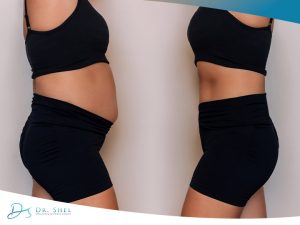 As you can see, diet and exercise alone may not be enough to help you lose weight when other factors are playing a role, other than merely you eating too much or not exercising enough.
Dr. Shel helps patients finally see the weight loss they’ve been striving for through the use of medical weight loss.
Rather than taking an approach that relies solely on diet and exercise, Dr. Shel may prescribe you a GLP-1 or GIP (both peptides used to encourage weight loss) that reduces your appetite, curbs cravings, and slows digestion. You ultimately feel fuller for longer, don’t have a desire to overeat, and won’t crave unhealthy foods, reducing the prevalence of many major contributing factors to weight gain.
These drugs, however, aren’t the end-all of your treatment plan. With a medical weight loss plan, Dr. Shel also includes diet and exercise recommendations to further your weight loss and help you stay on the right track even after you stop taking the medication.
If you don’t quite feel like medical weight loss is right for you or you don’t qualify, Dr. Shel offers other options such as lipo B12 injections and weight loss IV.
Ready to discuss medical weight loss, but don’t know if Dr. Shel Wellness & Aesthetic Center is right for you? Check out our reviews to help you decide.
Seeing the scale tip in your favor for once might be as easy as booking a consultation here or reaching out to our office by calling (281) 313-7435 today.